It has been said that the Camino de Santiago starts at the front door of every person on this planet…
Travel following the footsteps of the oldest spiritual and cultural way dating back from 9th century! Feel the magic of this almost 900 km long adventure and understand why so many people from all over the world are drawn to the Spanish city of Santiago de Compostela!
Day 1 Bilbao
Arrival at Bilbao airport. Transfer and overnight.
Day 2 Bilbao-Roncesvalles (200 km/3,30h)-Pamplona (50 km/1h)
For beginning of the journey, you will first travel to Roncesvalles, a small village in northern Navarra, which is an important place on the route to Santiago for the pilgrims coming from north of the Pyrenees. Every year a thousands of people choose to start their way at Roncesvalles, just about 8 km from the french frontier. Continue south to Pamplona, a city well-known with the running of the bulls and San Fermín festival. Once in the city, pass through the medieval bridge of Magdalena and see the cross on the side with an image of the Apostle. Visit the Gothic Cathedral and some of the others churches in the city, which were influenced by the pilgrimages. Overnight in Pamplona.
Day 3 Pamplona-Estella (50 km/1h)-Logroño (40 km/1h)-Santo Domingo de la Calzada (50 km/1h)-Burgos (70 km/1,30h)
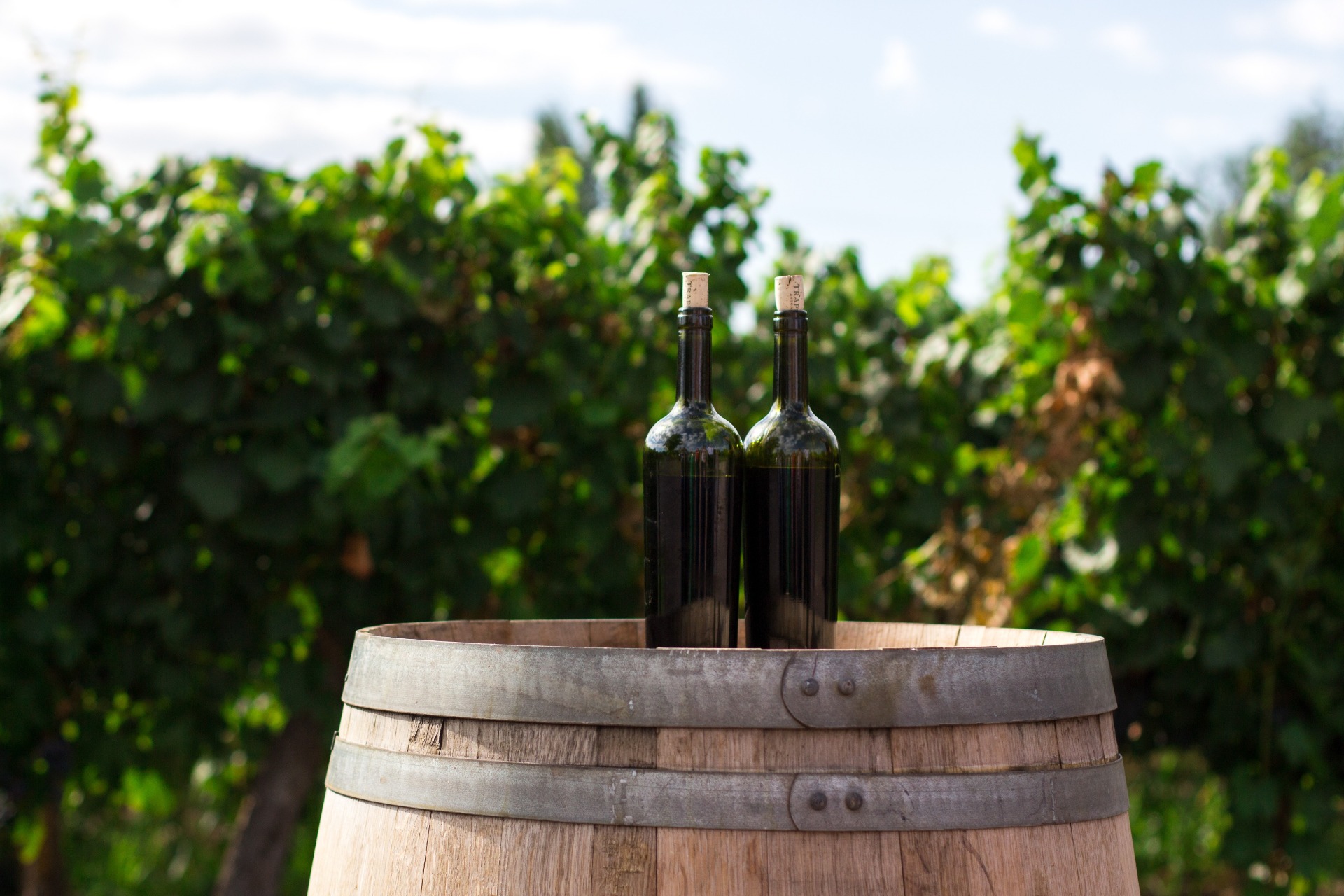
Departure to Logroño. On the way, a short stop in Estella, called “the Toledo of the North”. because of its monuments. Visit the church of San Miguel, a romanesque temple from 12th century. Proceed to Logroño, an important city in the wine region of Spain – Rioja. Almost all monuments here are related to Saint James. See the oldest church here, Santa María de Palacio, as well as the Gothic Cathedral. On our way to Burgos, a short stop will be made in the town of Santo Domingo de la Calzada. The entire town was built in 11th century by St. Dominic, a local hermit and engineer who decided to construct roads and bridges in the area to facilitate the pilgrimage. Proceed to Burgos for an overnight.
Day 4 Burgos-Castrojeriz (50 km/1h)-Frómista (30 km/40 min)-León (120 km/2h)
In the morning, see the highlights of Burgos – the remarkable 13th century gothic cathedral officially recognised as World Heritage. The medieval quarter unfolds the church of San Esteban and San Nicolas. See also the beautiful facade of Hospital del Rey, built in 12th century to attend the pilgrims on the road. From Burgos you travel west to Castrojeriz, a typical example of a pilgrim road town, with the Church dedicated to the Virgen de Manzano.
The next stop on the road will be Frómista, where stands the Church of San Martín, an example of Romanesque architecture. Drive to Leon for an overnight.
Day 5 León-Astorga (60 km/1h)
In the morning see the highlights of León, a city preserved its Romanesque architecture, an important enclave on the Road to Santiago and once a capital of the Kingdom of León in the Middle Ages. Today in the city can be found various churches and monasteries, but what is a must-visit are the León Cathedral with its beautiful stained glass windows and the Collegiate Church of San Isidoro, one of the most notable and emblematic temples, because of its many architectural styles. Also worth see is the building of San Marco Monastery from 16th century, which was used as a hospital for the pilgrims, today is a luxury Parador. Before leaving León, take a look at the Casa Botines, a masterpiece by the world-famous architect Gaudí, today converted in bank. Proceed to Astorga, a small town with a long history. Overnight in Astorga.
Day 6 Astorga-Ponferrada (60 km/1h)-Villafranca del Bierzo (30 km/30 min)-Cebreiro (30 km/30 min)-Samos (40 km/1h)-Sarria (15 km/30 min)
The day begins with a visit of the 15th century cathedral and Bishop’s Palace of Astorga, another treasure built by Antonio Gaudí. Next to the Palace is the outstanding Cathedral of the town. Continue the journey to Ponferrada where you will discover the well-preserved castle of the Knights Templar. When leaving the town, pilgrims pass by the basilica of the Virgen de la Encina, a baroque tower alluding to a miraculous apparition. Villafranca del Bierzo is a beautiful and picturesque town on the pilgrim’s road with the 12th century Romanesque church of Santiago at the entrance of the village. The village of Cebreiro is a must-see on the road with its typical pallozas, a primitive stone dwellings and the church housing a Holy Grail and where a miracle happened in 13th century. Continue and reach Samos, famous with its Monastery of Samos. After that, the road leads to Sarria where you will have an overnight.
Day 7 Sarria – Portomarín (30 km/40 min) – Melide (40 km/1h) – Arzúa (20 km/30 min)
Begin the day by exploring Sarria, a city founded by Alfonso IX and where the king lost his life when he passed through on his way to Santiago. Here you can visit the castle, the convent of Magdalena, the churches of Santa Mariña and El Salvador. Enjoy your free time, passing through the local antique shops. Proceed to Portomarín for a short visit of the Romanesque church of San Pedro and the monumental church fortress of San Nicolás, situated on the highest point of a hill. Continue to Melide, where the church of San Pedro and the medieval bridge are worth seeing. The last step before arriving in Santiago de Compostela is Arzúa with the Gothic church of La Magdalena and the church of Santiago. Don’t forget to try the traditional home-made cheese here, that’s why they also call Arzúa the cheese capital. Overnight in Arzúa.
Day 8 Bus option: Arzúa-Santiago de Compostela (40 km/1h) *
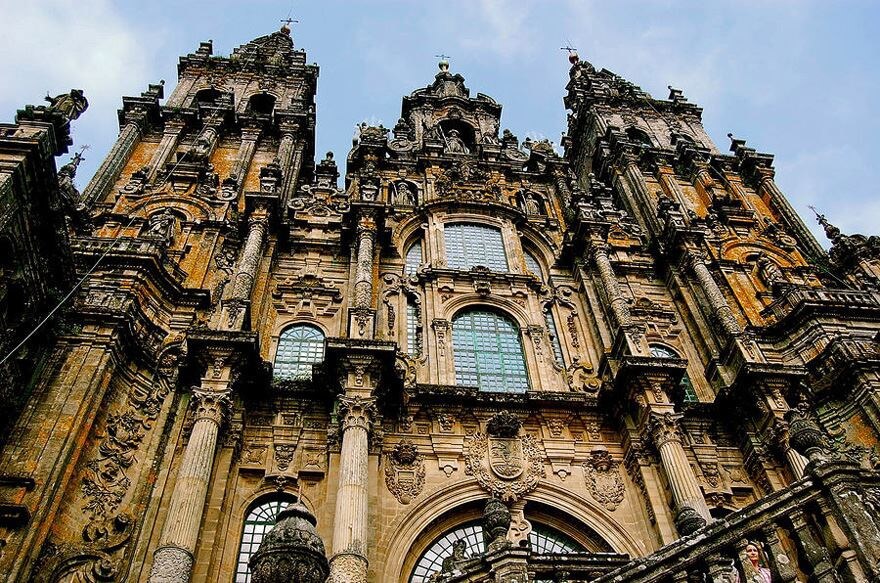
Reach the final destination for all pilgrims in the morning and feel the spirit of the sacred city of Santiago de Compostela. Walk through the historic quarter and see the Azabachería facade of the Cathedral, located on the square with the same name. The pilgrimage is considered for complete with the visit of Santiago de Compostela Cathedral, dating from 11th century and located at the plaza de Obradoiro. See the beautiful portico de la Gloria which is the main entrance. Declared a World Heritage Site, the Cathedral houses the silver coffer with the remains of Saint James. Free time in the afternoon to explore more the city. Overnight in Santiago de Compostela.
Day 8 Walking option: Arzúa-Monte do Gozo (35 km/1h)-Santiago de Compostela (5 km/ 1h walking)
As you know, the original way of reaching Santiago de Compostela is walking. That’s why we offer you to fulfill the tradition and step into the city on foot.
You will depart in the morning from Arzúa and proceed to the well-known between the pilgrims last stop on their way – Monte do Gozo. From this point you will have a one hour walking (around 5 km) until reach the Cathedral of Santiago de Compostela, final destination on the sacred route.
Day 9 Santiago de Compostela
Departure to Santiago de Compostela airport.